The campus
A technology city, built around a gigawatt.
25,000–35,000 acres in the Liberia – Cañas – Bagaces corridor of Guanacaste. Most of it is the energy park. The rest is the compute core, the sovereign AI zone, the university, and the layers that make a campus a place rather than a site.
Master plan
Schematic zones.
Schematic. Parcel-specific master planning follows site control.
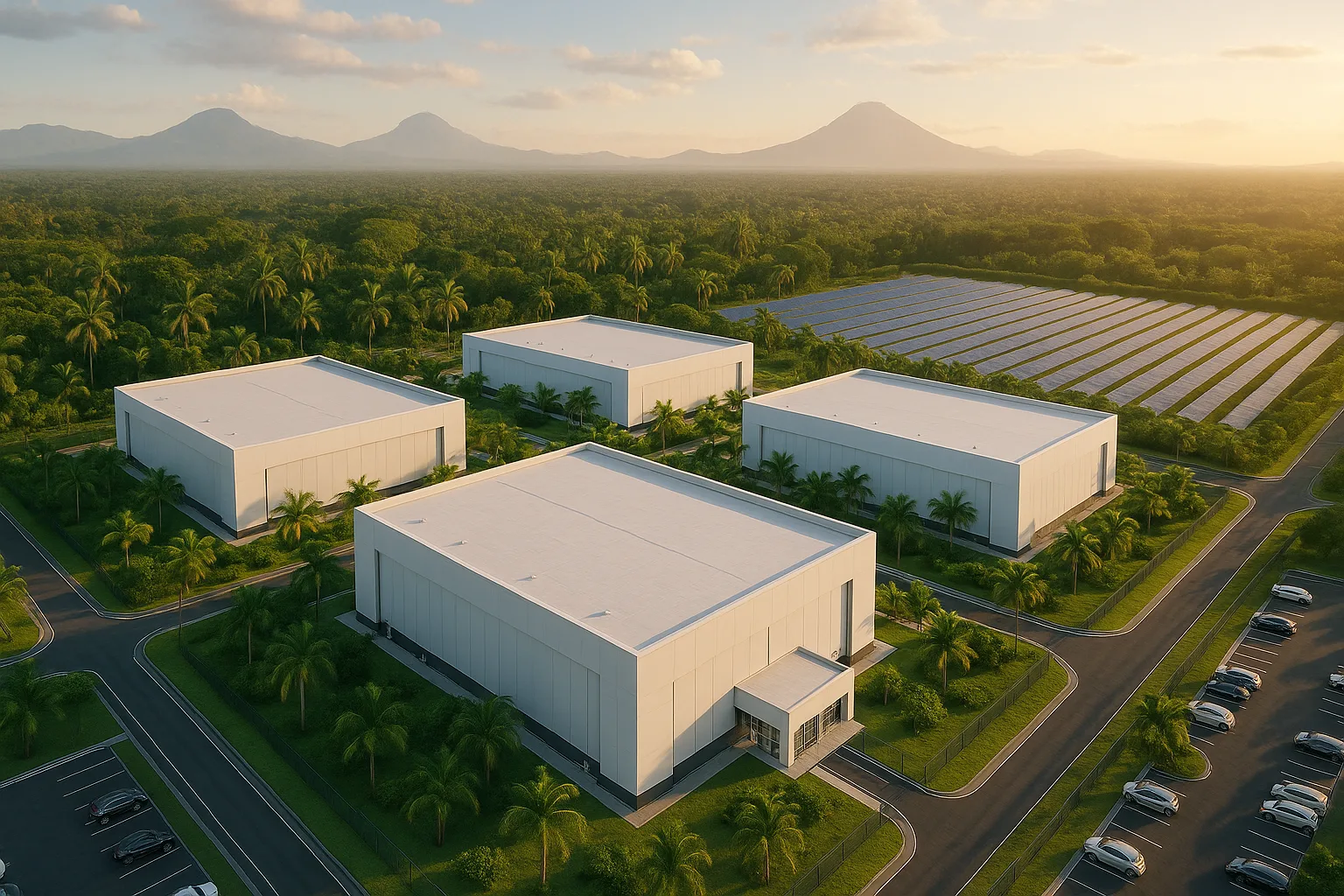
Core · The AI cloud and the leased halls
Luxe Compute
1000 MW of IT load in a 1200 MW facility, built as 40 liquid-cooled 25 MW halls. We operate an AI cloud on hardware we own and sell contracted capacity; hyperscalers and labs can instead lease whole halls and bring their own hardware. Both live side by side without touching each other.
- IT load
- 1000 MW
- Halls
- 40 × 25 MW
- Racks
- 130–200 kW, liquid-cooled
- Platform
- Built to NVIDIA Cloud Partner requirements
Core · Solar, storage, firming, substation
Energy Park
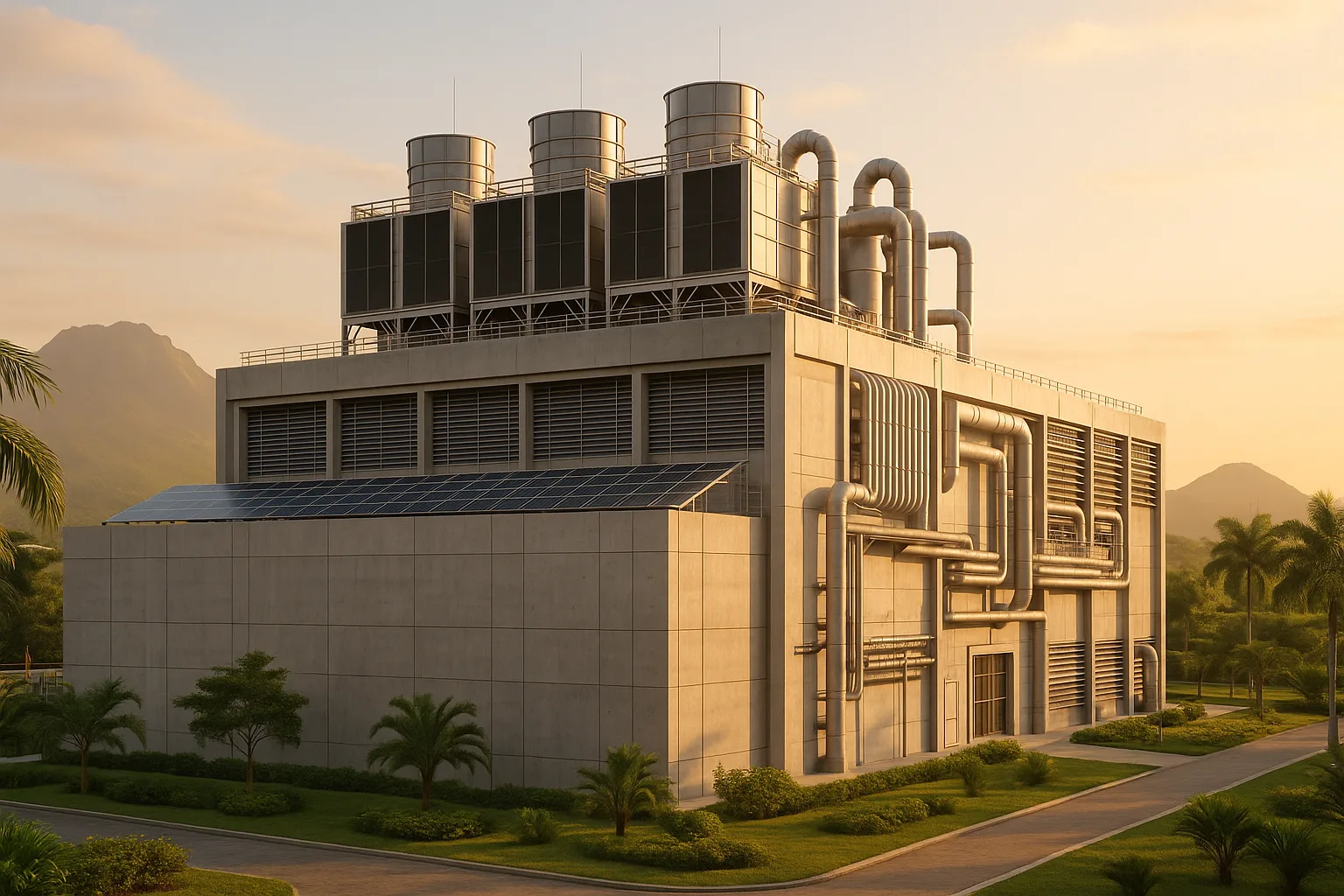
The largest area of the campus and the reason the campus exists on its own schedule. 6–7 GW of single-axis-tracked solar, 20–30 GWh of containerized storage, renewable-fuel firming for the wet season, and a private 230 kV substation, all owned behind the meter. It has its own operations, its own training pipeline and its own jobs.
- Solar
- 6–7 GW DC
- Storage
- 20–30 GWh
- Solar-direct share
- ~90%
- Grid
- Backup interconnect only
Core · Segregated capacity for the national program
Sovereign AI Zone
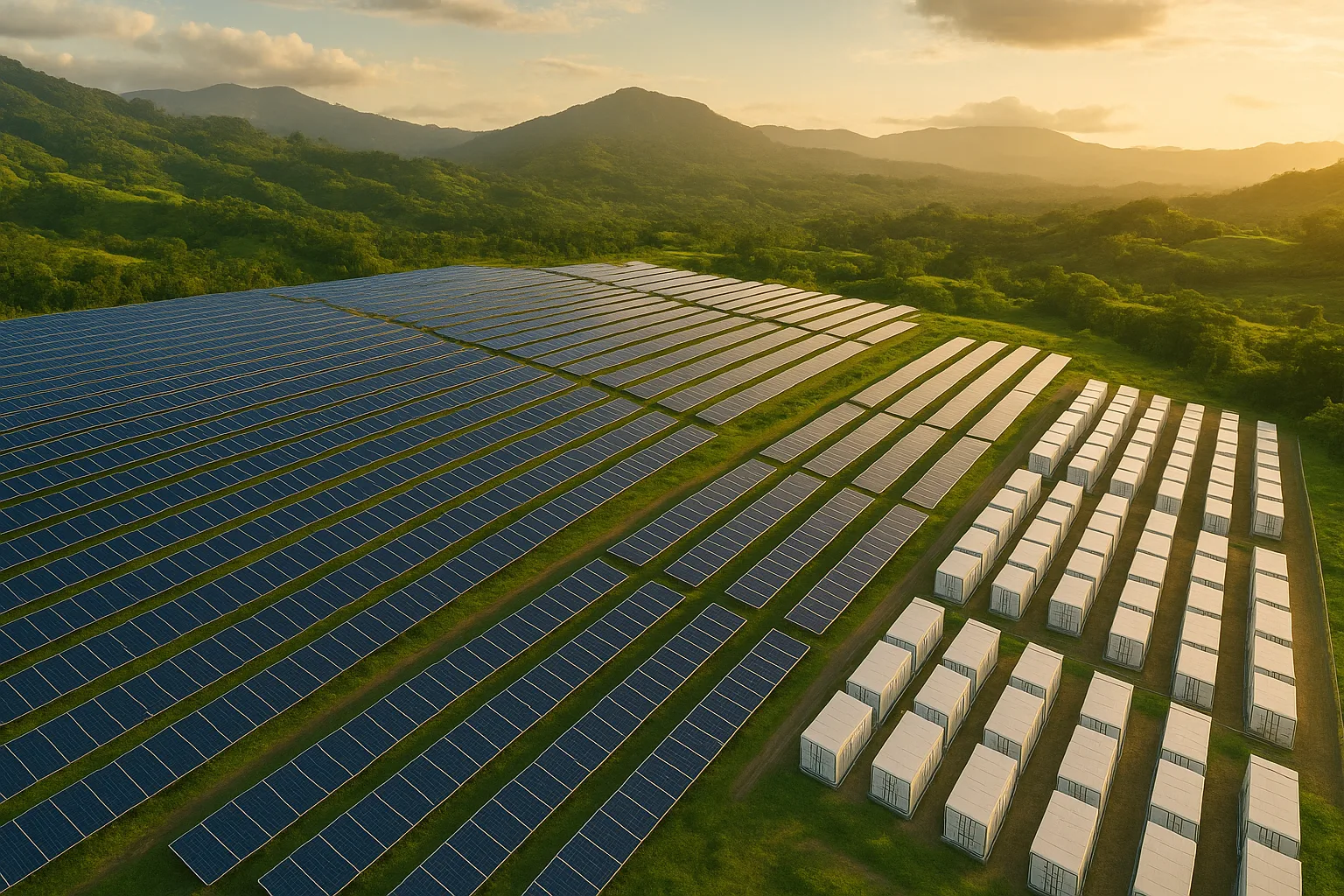
A physically and logically segregated 5–20 MW zone that hosts Costa Rica's national AI capability: government assistants, a free national assistant for citizens, and paid tiers for businesses and universities that fund the operation. Data resident in-country, models from the trusted open ecosystem, operated under contract for a Costa Rican foundation.
- Reserved
- 5–20 MW
- Models
- Open-weight, US ecosystem
- Access
- Government and citizens free
- Governance
- Costa Rican public-benefit foundation

Early · Tuition-free technology education
Luxe University
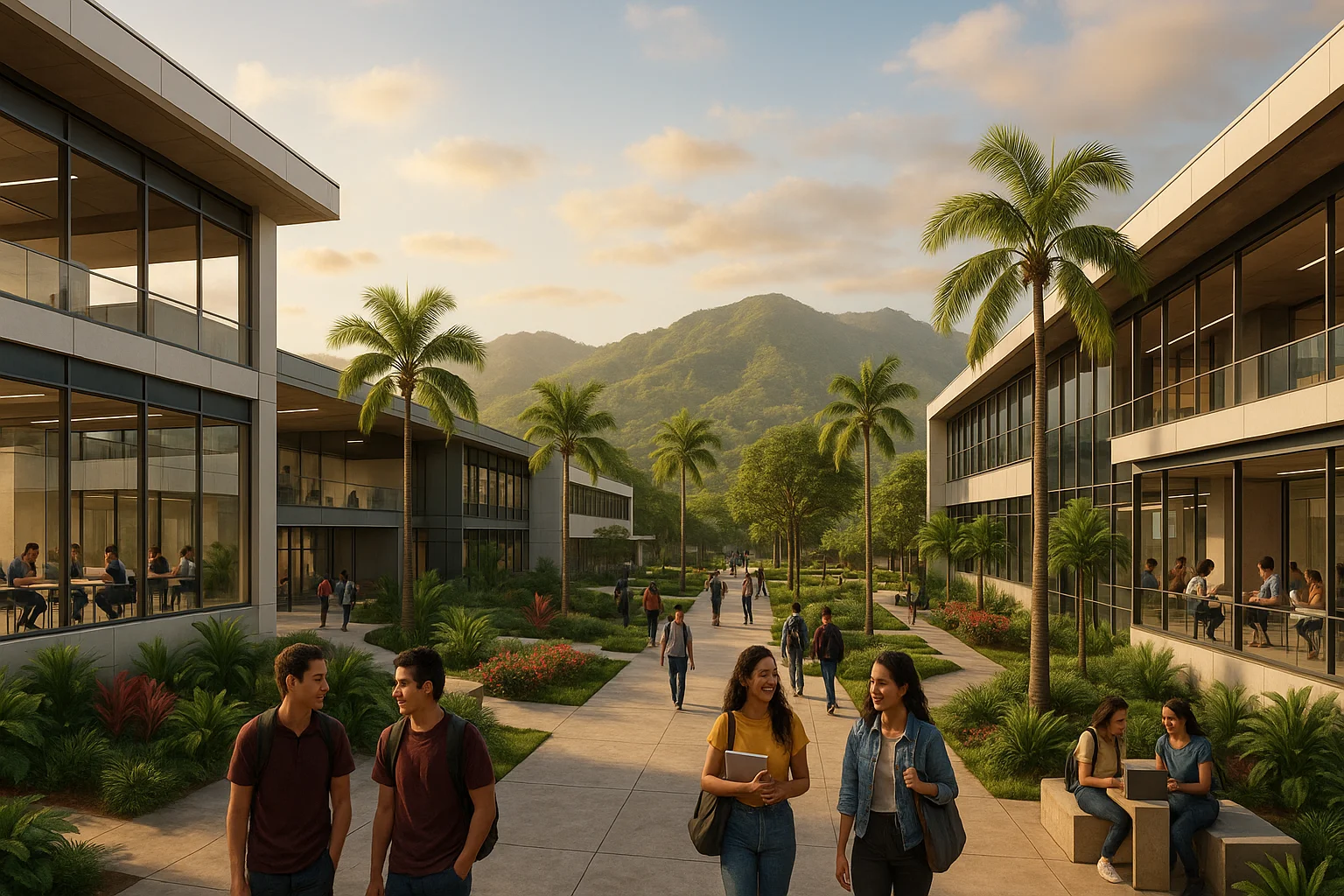
Tuition-free for Costa Ricans; international students pay. NVIDIA curricula, a peer-taught model, and programs in AI, data center and energy-park operations, software, cloud and security. The first cohorts are hired into the sovereign AI operation and the campus. Partnerships with the public universities.
- Tuition
- Free for Costa Ricans
- Programs
- 6–18 months
- Pipeline
- Direct hiring into the campus
- Partners
- UCR, TEC, UNA, UNED, UTN
Later phase · Managed colocation
Luxe Colo
Managed colocation for regional enterprises and governments that need a Central American presence without a hyperscale footprint. Private cages, full redundancy, cross-connects to the campus fabric and to both coasts' submarine cables.
- Customers
- Enterprise, government, regional
- Deployments
- 1–20 cabinets and cages
- Connectivity
- Dual-coast cable access
- Services
- Remote hands, managed services

Later phase · Class-A offices and a coworking hub
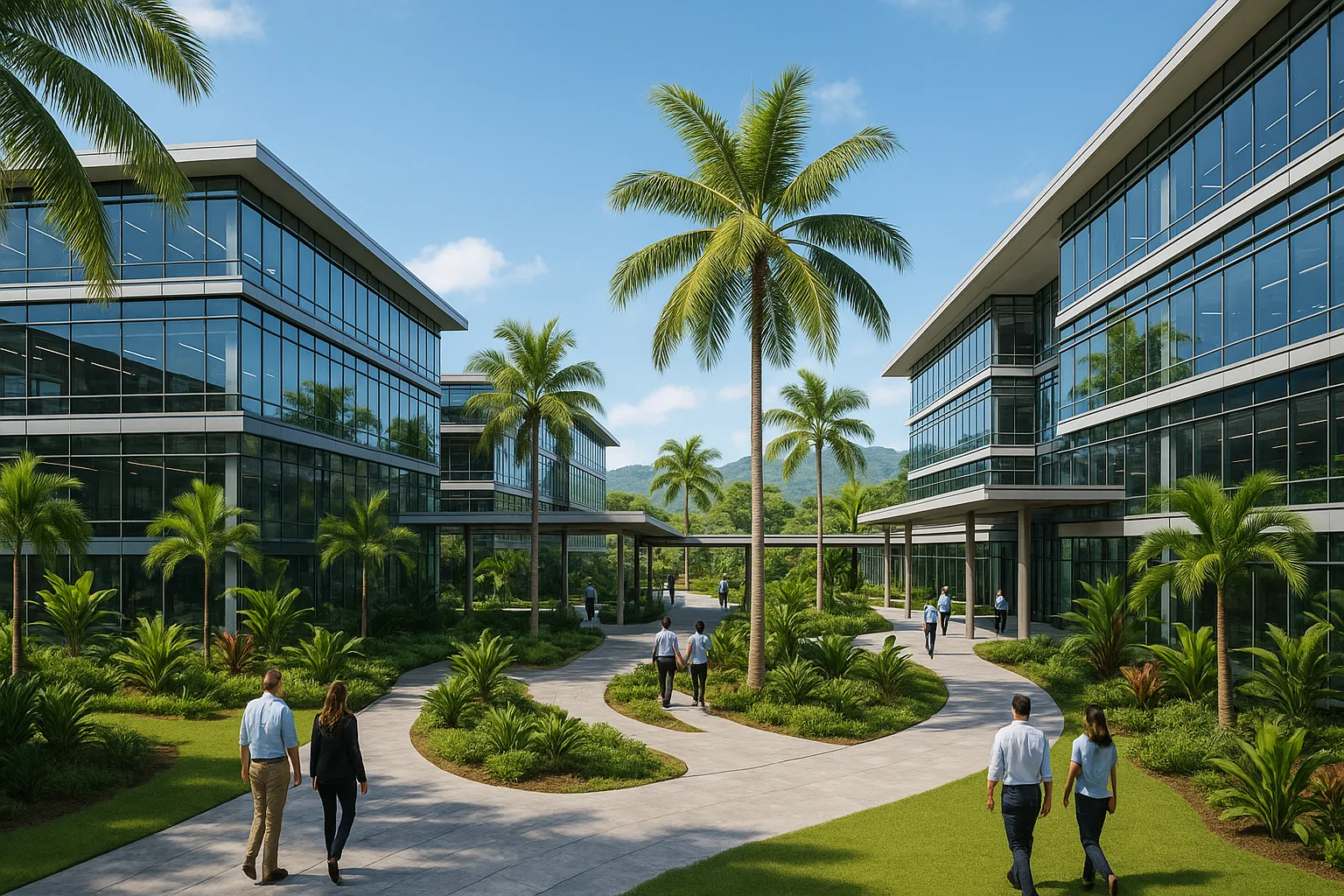
Luxe Office & Hub
Premium office compounds for companies that want to sit next to their compute, and a coworking and events hub that is the campus's front door: startups, visiting engineers, the university community, conferences.
- Office
- Class-A, build-to-suit available
- Hub
- Memberships, events, conference space
- Tenants
- Cloud teams, AI companies, MSPs
- Timing
- As the anchor operates
Later phase · Hospitality, dining, retail, residences
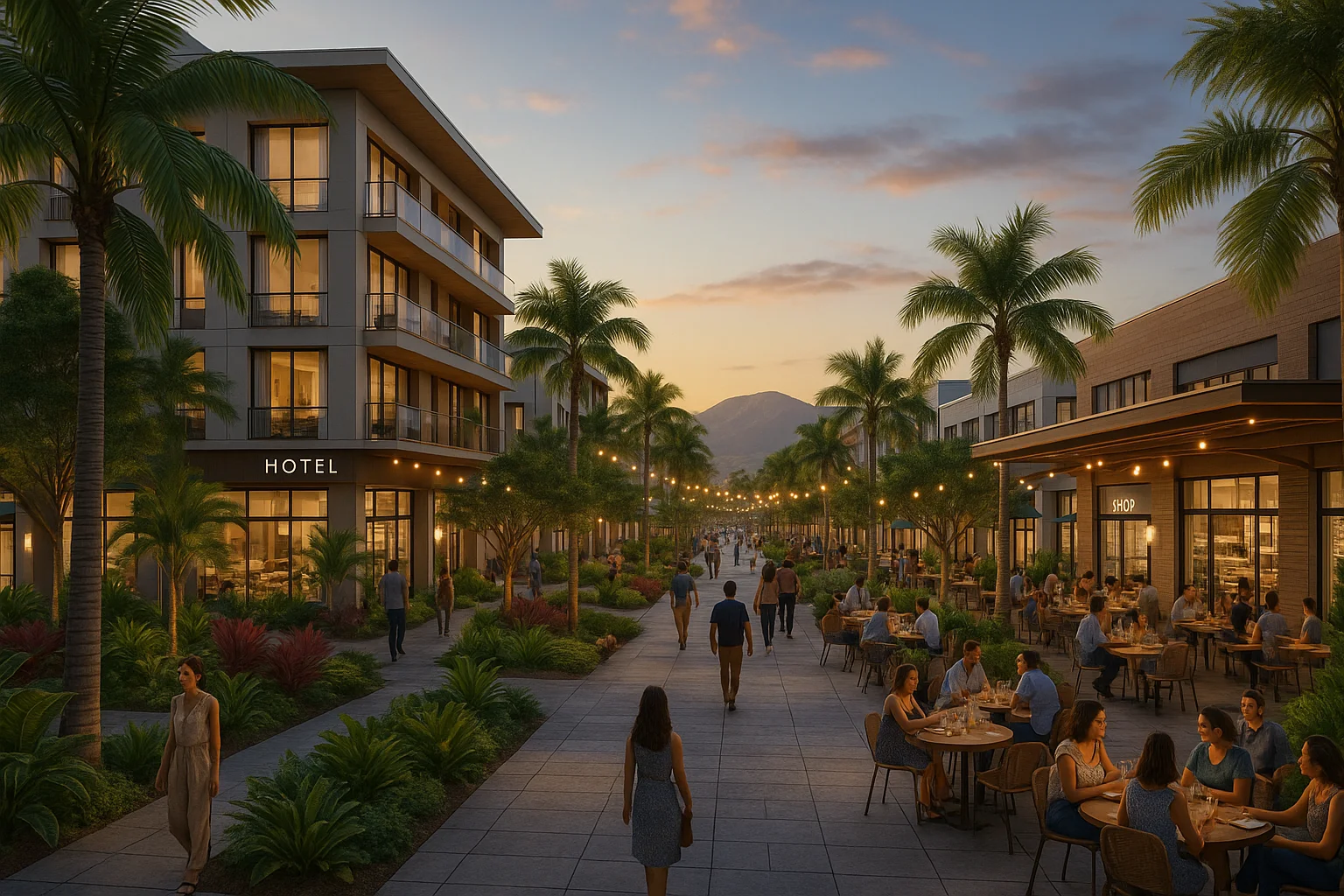
Luxe District & Living
A pedestrian-first town center with a boutique hotel, restaurants and retail, and premium residences for executives, engineers and families relocating to the campus. What makes the campus a destination rather than an industrial site.
- Hotel
- 100–150 rooms
- Residences
- Condos, townhomes, villas
- Retail
- Restaurants, services, events
- Timing
- Phased behind the core
Land
Guanacaste is the one province where this exists as a single assembly.
Large legacy haciendas of 2,000–4,000+ hectares trade in the Liberia–Cañas–Bagaces corridor. Land is under two percent of project cost at any plausible price; contiguity, title, water and community acceptance matter more. The design is water-neutral by commitment, and engagement with the host cantons starts before land closes.